
Fats, Oil and Grease Management
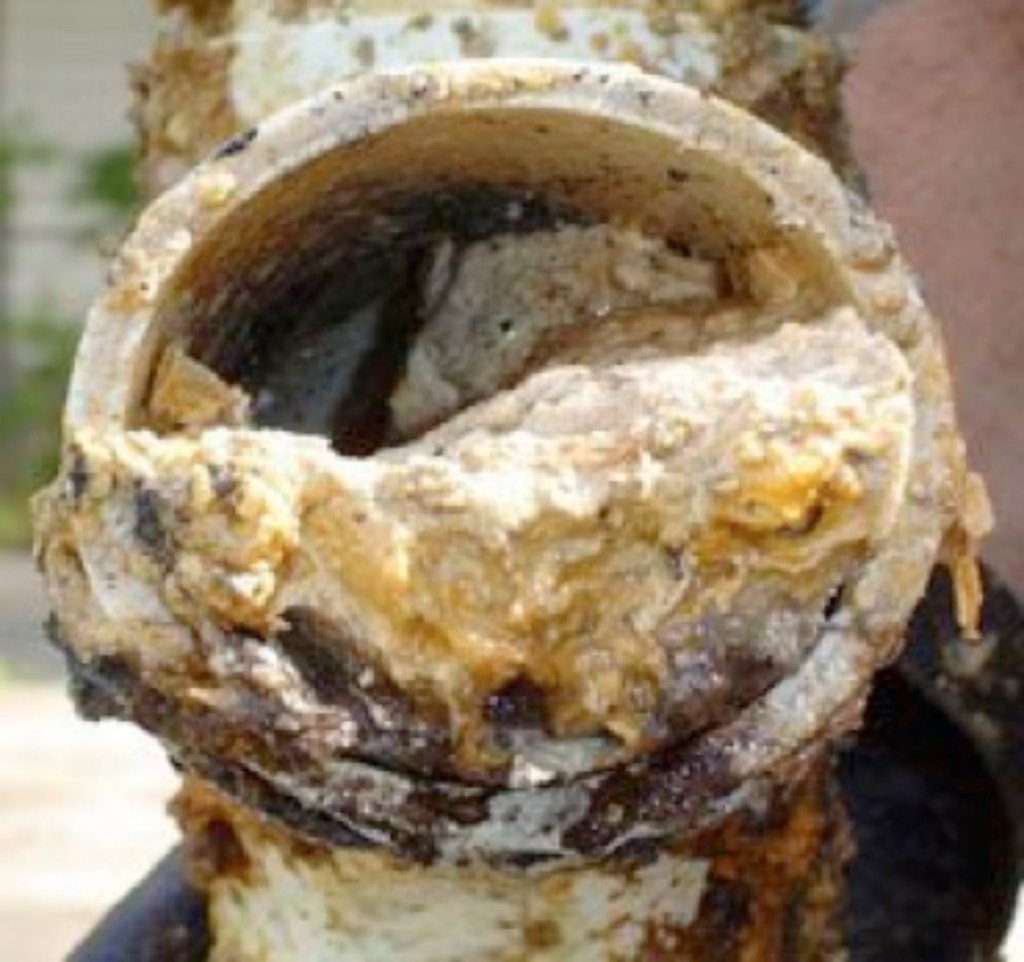
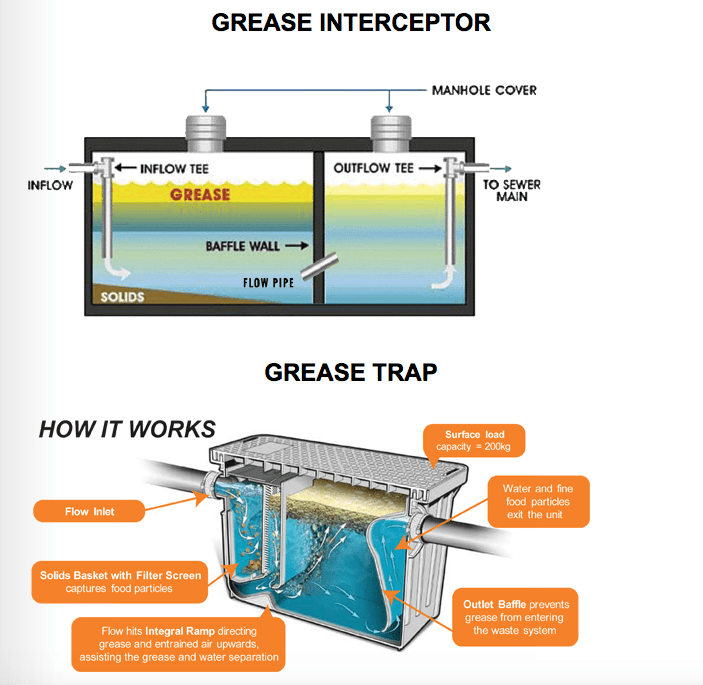
Fats, oil and grease, commonly referred to as FOGs are the by-products of cooking, also known as brown grease. FOGs are typically generated at food service establishments (FSE) or other food preparation facilities [1]. Byproducts of these establishments consist of meat products, gravies, dressings, deep fried foods, baked goods, cheeses, and butter. When FOG is accumulated and discharged through the establishment plumbing system, this can lead to a blockage of the plumbing and sewer system. The US EPA determined that approximately 47% of the 10,350-36,000 sanitary sewer overflows (SSO) were related to FOGs. Figure 1 is an image of a pipe plugged with FOG. FOG is introduced to the sewer system through direct dumping and or escape from grease traps. FOGs can be a solid or viscous liquid depending on the saturation of the carbon chain. When a dishwasher or high temperature water is used for dishwashing the FOG may melt and bypass the grease trap. Once in the sewer pipe the FOGs may eventually solidify and adhere to the surface of the pipe. Grease traps are the leading method for controlling FOG but efficiency highly depends upon frequency of its maintenance.
Sources
- Husain, I., Alkhatib, M., Jammi, M., Mirghani, M., Zainudin, Z., & Hoda, A. (2014). Problems, Control, and Treatment of Fat, Oil, and Grease (FOG): A Review. Journal Of Oleo Science, 63(8), 747-752. doi: 10.5650/jos.ess13182
- Tips on How to Avoid Sewer Clogs from Fats, Oils and Grease (FOG) | Sussex County. (2021). Retrieved 22 August 2021, from https://sussexcountyde.gov/tips-how-avoid-sewer-clogs-fats-oils-and-grease-fog

 MMP Environmental Solutions LLC